
Based on the physical size of tumor cells and their surrounding matrix, there are an estimated 108-109 cells in a palpable 1 gram tumor. Each cell is capable of dividing and making more identical cells, leading to the concept of a tumor doubling time. Some types of cancers are faster growing than others. However, as tumors grow larger, the lack of organized blood vessels to feed the tumor can slow down the doubling time and cause the center to become necrotic (see the darker central spots in the Wilms tumor below where contrast injected in blood has not penetrated). Every single cancer cell must be sterilized in order to prevent the cancer from coming back.

DNA damage from radiation
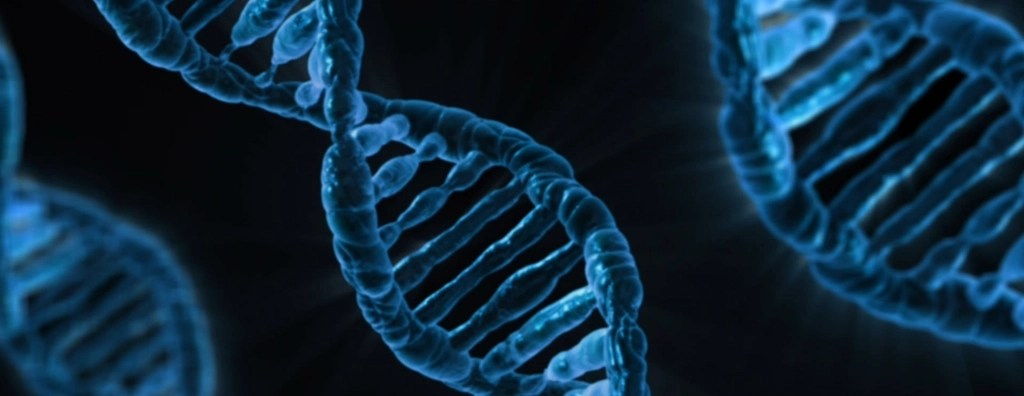
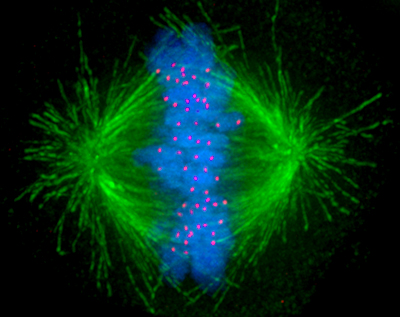
DNA contains the instructions for each cell to function and replicate itself. The information is further organized into 23 chromosomes, which you can see under a microscope at the time the cell is ready to divide. Each cell goes through a growth phase, latent phases, and dividing phase (mitosis) in their life cycle. DNA can be damaged at any time, but normal cells will repair them during the growth and latent phases. If the damage is irreparable, normal cells will activate an organized suicide pathway called apoptosis. Cancer cells do not repair their DNA as well. They force their way through mitosis, but eventually meet a road block and undergo cell death by mitotic catastrophe.
Fractionation and sub-lethal DNA repair
We know from over a century of experiments now the necessary dose of radiation to sterilize different types of cancer. If we give high enough doses, we could kill every single cell in a small treatment volume, and that is the concept behind radiosurgery. However, we are often treating a larger area of cancer spread among normal organs and tissues. There is a golden therapeutic window of radiation dose that kills cancer cells but not surrounding normal cells. That window expands as we take the total dose of radiation we need to give and fractionate it over weeks of radiation. By giving a smaller dose of radiation once or twice a day, we can give normal cells time to repair their DNA before the next fractional dose. Its not perfect, but over time, the exponential death of cancer cells will occur while minimizing normal tissue side effects.
Other mechanisms of tumor control
In addition to DNA damage, there is increasing evidence that radiation affects the matrix of immune cells and blood vessels surrounding the cancer cells. Higher doses of radiation may attract immune cells that subsequently recognize the cancer as foreign and activate an immune response similar to battling an infection. Higher doses of radiation also cause significant damage to small blood vessels, which then starve the tumor of oxygen and nutrients. These are areas of active research in both the lab and clinical trials.
 Reno Cancer Center