
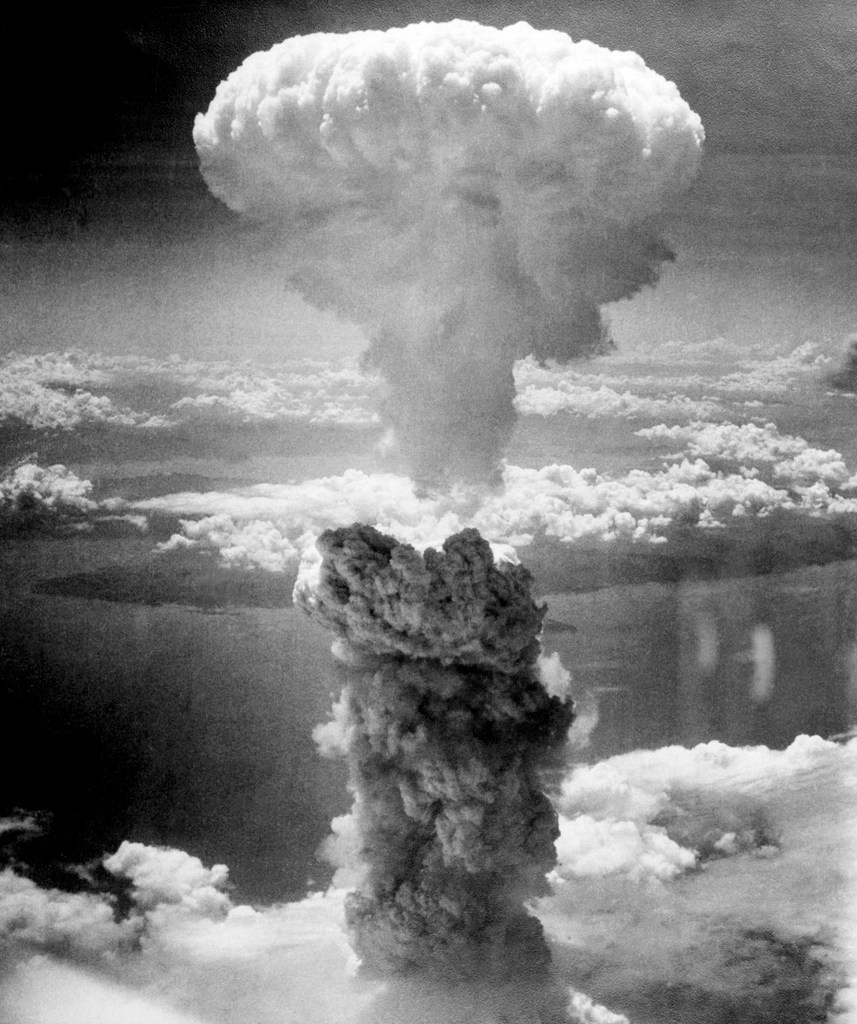
The atom bomb brought nuclear energy and radiation into the public eye, but prior to its deployment at the end of World War II, radiation was already being used to treat cancer. X rays were discovered in 1895 and by 1896 Marie and Pierre Curie were characterizing radium, a naturally radioactive material. Shortly after, doctors were placing radioactive materials next to tumors and realizing the tumors would shrink.
It wasn’t until the 1950s that the first linear accelerators were powerful enough to create artificial X rays to treat cancers close to the skin. In the subsequent decades, X rays and gamma radiation would be used to diagnose (CT, PET) and treat cancer. The 1980s brought beam shaping with collimators and the 1990s introduced intensity modulated radiation therapy (IMRT). CT scanners were added to linear accelerators for image guidance in making sure the patient was in the right position every day. Today, the linear accelerator technology is mature and there are many bells and whistles to describe.
In the following sections, I will introduce some definitions, describe the basic physics and biology of radiation, and then geek out about the technology!
Types of radiation
Gamma ray: a high energy photon naturally emitted by radioactive substance. Gamma ray emitting radioactive substances used for cancer treatment include Iridium-192 and Cobalt-60.
X ray: a high energy photon artificially generated by a machine called a linear accelerator, typically in the megavoltage energy range for treatment of cancer. These penetrate through our bodies, but can be focused and shaped around the cancer deep in our body.
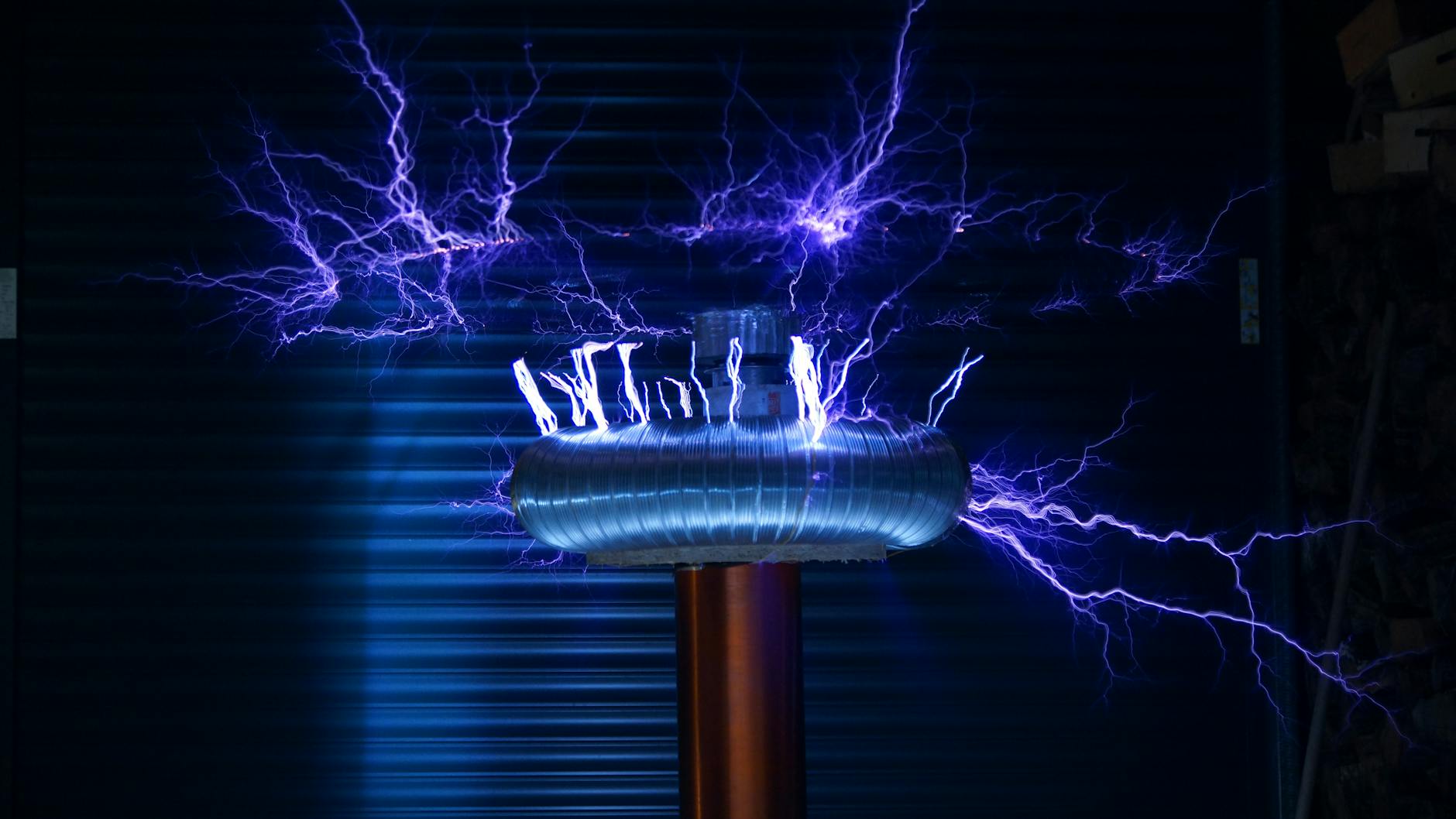
Electron therapy: electrons are the basic negatively charged particles in atoms and what we typically consider powering our devices. They can be accelerated to high energies by linear accelerators to treat cancer close to the skin. Sometimes they are emitted by radioactive substances as well, such as Lutetium-177. Lightning is a massive discharge of electrons from the clouds to the ground. The energy in lightning is orders of magnitude more than that used for cancer treatment.
Proton therapy: protons are the heavier cousins of electrons and positively charged. When accelerated to high energies by large expensive devices called cyclotrons, they can be used to treat tumors deeper in the body without any exit. This can reduce unnecessary radiation of normal body tissues and potentially reduce side effects.
 Reno Cancer Center