
After you have a diagnosis with a biopsy, your doctor may order some remaining scans to finish staging you. The stages of cancer have traditionally been divided on a scale of one to four. Each type of cancer has its own staging system, but a high-level of understanding your stage is as follows.
Stage 1
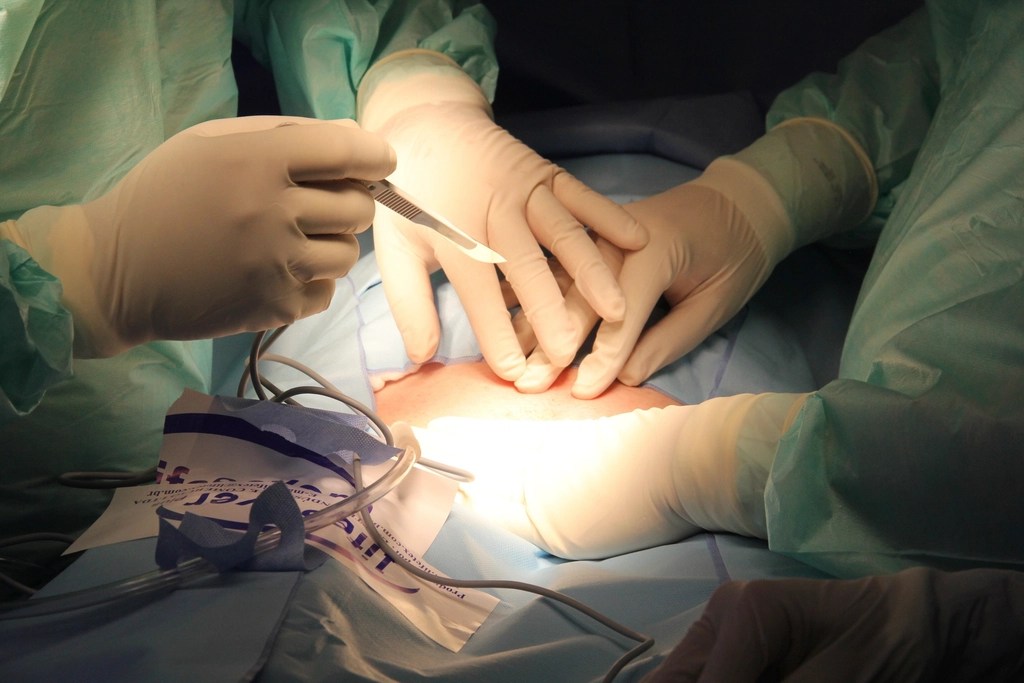
The cancer is small and caught early enough that it has not spread to lymph nodes or elsewhere in the body. Treatment with surgery alone has a high chance to cure you. In some cases, where a patient either is not healthy enough to undergo surgery or prefers a less invasive approach, radiation treatments directed to the cancer can also be curative. The most common examples would be stage one prostate cancer or lung cancer. Surgery sometimes will reveal microscopic cancer in lymph nodes that are sampled, which would affect recommendations for further treatments. Radiation and/or chemotherapy may still be recommended after surgery to clean up microscopic disease. Therefore, it is best to gather multiple opinions from doctors and make the decision that is right for you.
Stage 2
The cancer may have spread to the first level of lymph nodes closest to it or it is larger and has more aggressive features such as rapidly dividing cells. Again, surgery may be the main treatment, but it is much more likely that radiation and/or chemotherapy will be recommended either before or after surgery. Radiation and/or chemotherapy before surgery has the advantage of shrinking the tumor, potentially making surgery easier with less side effects afterwards.
Stage 3
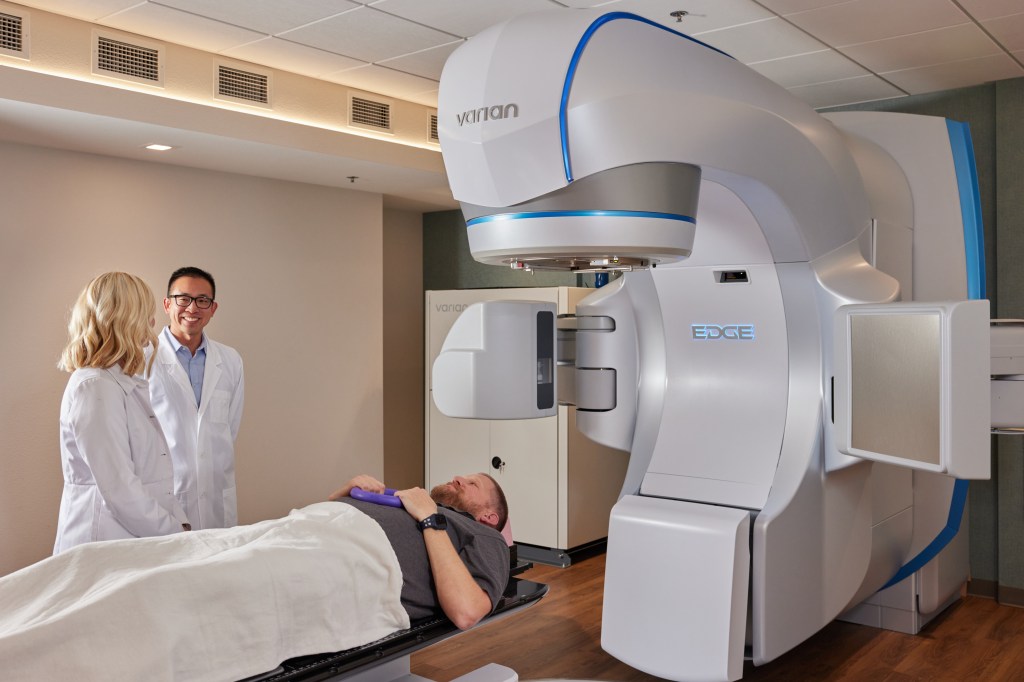
The cancer may be invading near critical organs, such as the heart, or it has spread to the second level of lymph nodes. Surgery by itself would either have to be very morbid or most certainly would leave microscopic or even visible tumor behind because the surgeon could not safely cut into the critical organs. Radiation therapy plays a larger role in stage three cancer because it can deliver curative doses of radiation to where the surgical field would be, but spread out over 6 to 7 weeks to avoid irreversible damage to the critical organs. Chemotherapy is often given at the same time as the radiation to help sensitize the tumor to treatment. In some cases, surgery afterwards to remove the residual treatment area offers the highest chance of cure. A good example is the evolution of treatment for breast cancer. The radical mastectomy invented by Dr. William Halsted was standard of care in the early 1900s but often left women disfigured, with poor arm motion, and in pain. As clinical trials were conducted, combining surgery with chemotherapy and radiation allowed for much smaller surgeries with equivalent survival and less side effects.

Credit: Wellcome Library, London. Wellcome Images
images@wellcome.ac.uk
http://wellcomeimages.org
Stage 4
The cancer has spread to a different organ and is now considered potentially spread to every part of the body through the blood vessels, metastatic and currently not curable unless it is a type of blood cancer such as lymphoma or leukemia. Chemotherapy is given through the blood vessels because it can potentially treat everywhere the cancer has gone. However, curative doses cannot be given because they would kill the patient in addition to the cancer. There are always exceptions, and one of the most exciting developments in the last half century has been genetic profiling of the cancer to see if there are any weaknesses in your particular cancer that we have drugs to exploit. Thus, stage four disease does not always mean a death sentence within six months and there are some situations where patients may live with the cancer treated and in remission for many years.
 Reno Cancer Center