

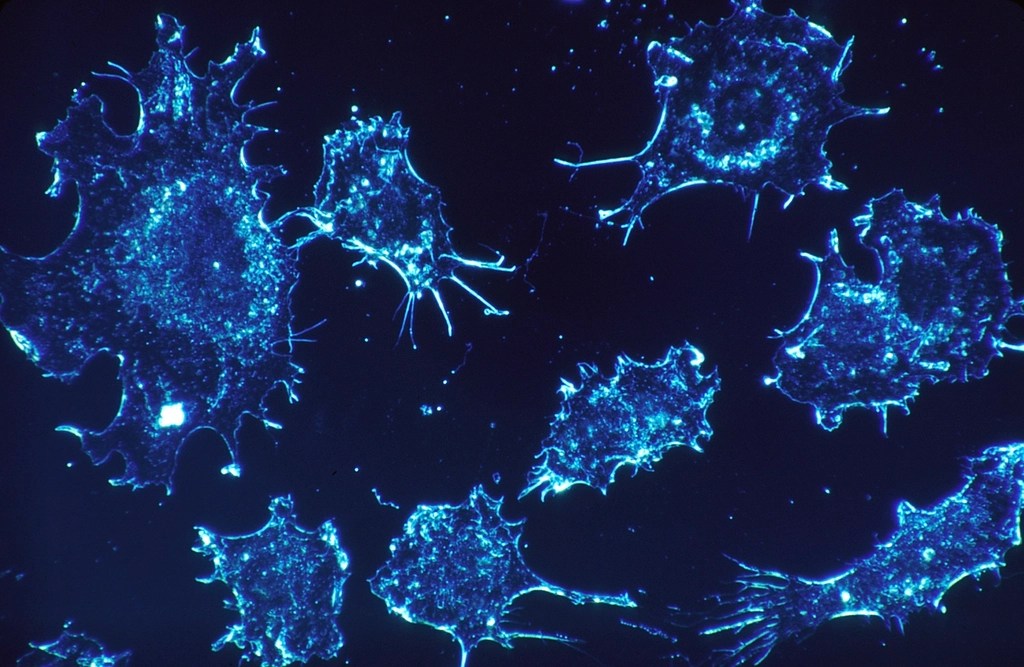
Our bodies are made out of cells, which themselves are composed of genetic material (such as DNA), protein enzymes, and membranes that separate its compartments. We have nerve cells that are responsible for sensing the world around us, muscle cells that contract and help us move, gland cells that help secrete and absorb nutrition in our gut, and skin cells that protect us from the outside environment.
As we age and interact with the world, cells are constantly repairing themselves from damage, undergoing normal cell death when their lifespan is spent, as well as regenerating from stem cells. DNA contains the information that allows for this orderly process. Normal cells have many redundant repair mechanisms that guarantee the integrity of this information when a cell replicates itself. However, cancer arises when a cell has damaged DNA and no longer has the brakes on its growth, so it divides recklessly. Like a weed, it can quickly take over the orderly processes of the body, using up nutrition and damaging the organs it invades. This is why cancer patient often lose weight unexpectedly.

All cancers starts from a rogue cell that begins replicating itself. Our immune system is usually good at hunting out these cells and killing them, but cancer cells develop camouflage markers or create a nest of proteins and other materials around it that block our immune systems from fully eradicating them. Like the mythic hydra, each head chopped off by Hercules sprouts two more heads. As the cells divide and add together forming larger tumors, they actually attract their own little ecosystem of blood vessels and develop the ability to invade through normal body tissues. This is the earliest stage of cancer that we typically can detect when we feel a lump, have abnormal bleeding, see a skin lesion, or undergo a screening procedure like a mammogram which identifies a tumor.
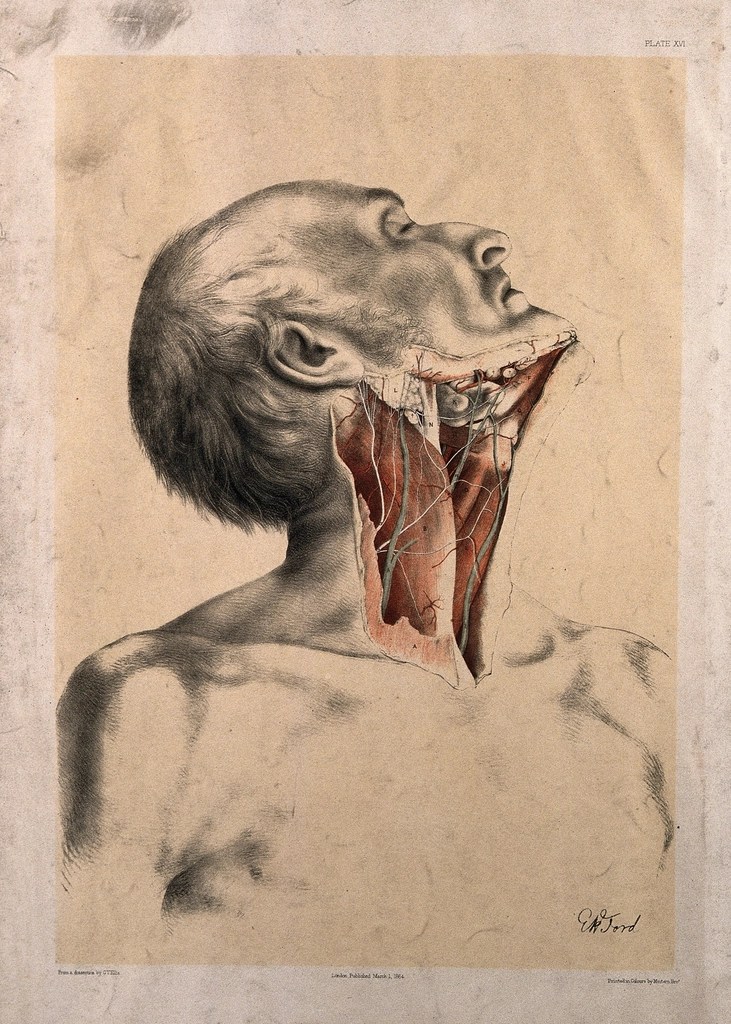
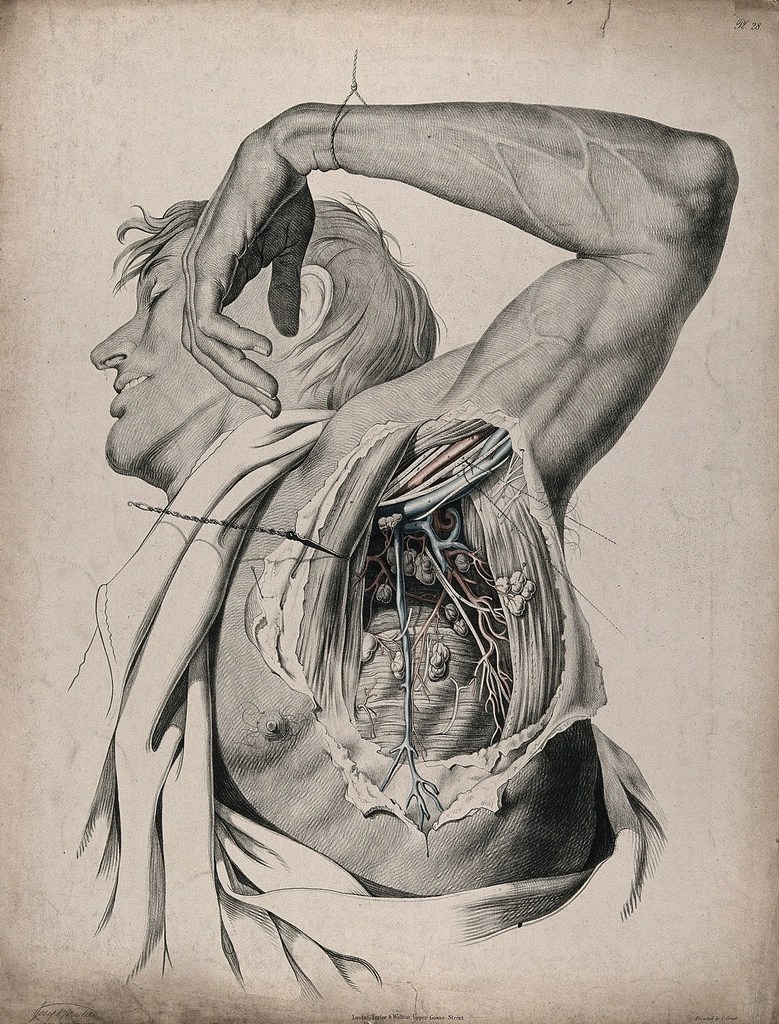
Our bodies are filled with blood vessels that send oxygen and nutrients to the different organs. Lesser appreciated are the lymph vessels which often travel parallel to the blood vessels to take up waste, extra fluid, and filter germs through lymph nodes before returning the clean fluid back to the blood. Both blood and lymph vessels are potential highways for a cancer to spread, but typically the next stage of cancer occurs when the cancer travels along the local lymph vessels around it to the sentinel lymph nodes (the closest set of lymph nodes). There it meets a host of immune cells that are intent on stopping the cancer from spreading. The lymph nodes may enlarge from the cancer and/or inflammation, and patients often will feel a soft lump in the neck, armpits, or groins where there are many lymph nodes. This is often categorized as stage 2 or 3 of a four stage categorization that doctors use to describe how difficult it will be to cure a patient.

If the cancer has spread through the blood vessels and taken root in a different organ than the one it started from, it is metastatic and stage 4. This is the worst scenario because it means there are likely multiple cancer colonies setting up in every organ, some microscopic and others already causing damage. Since tumors are easier to control/kill when microscopic (like weeds), doctors usually will want to start a drug such as chemotherapy to be delivered through the blood vessels everywhere in the body. In some special cases, metastatic cancer might only be found in several spots and doctors will treat those spots with focused radiation and/or surgery after the chemotherapy to see if we can control the tumor longer. This is called oligometastatic cancer (oligo meaning several spots rather than many spots) and is an area of active research.
 Reno Cancer Center